

What Is an Earth Pressure Balance Rectangular Pipe Jacking Machine?
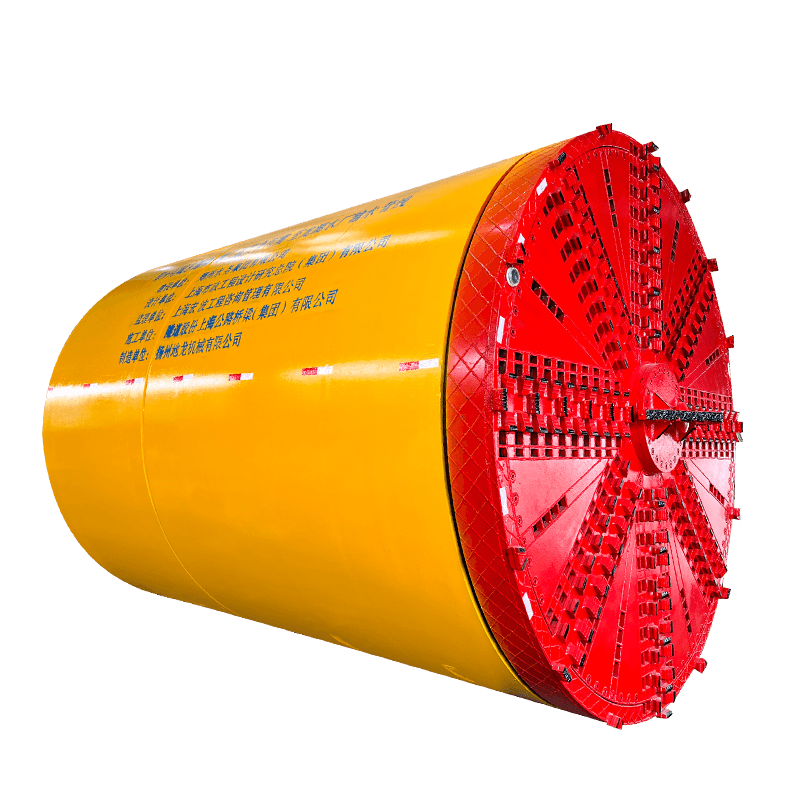
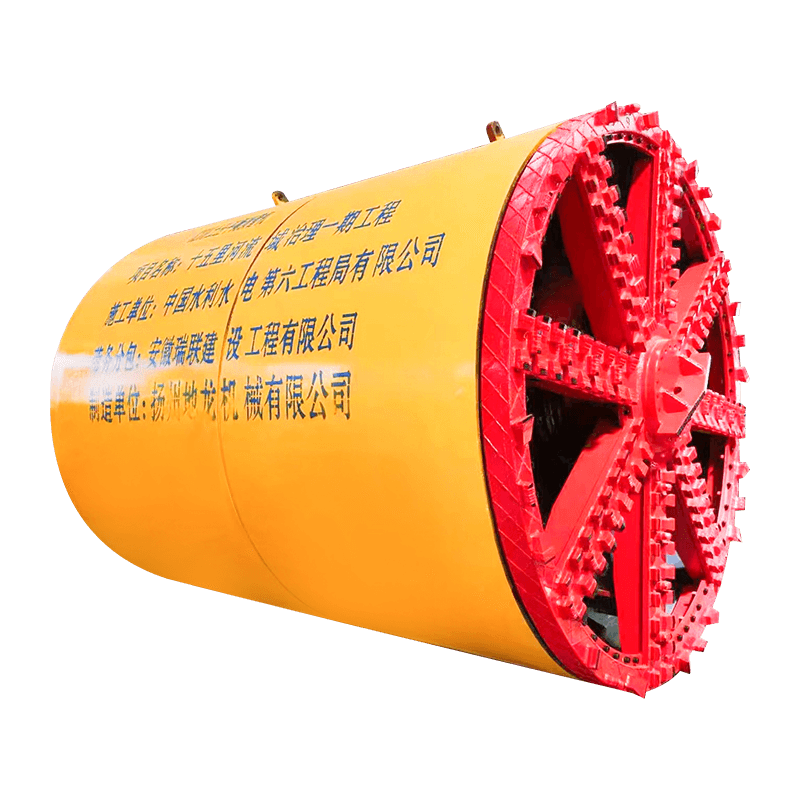
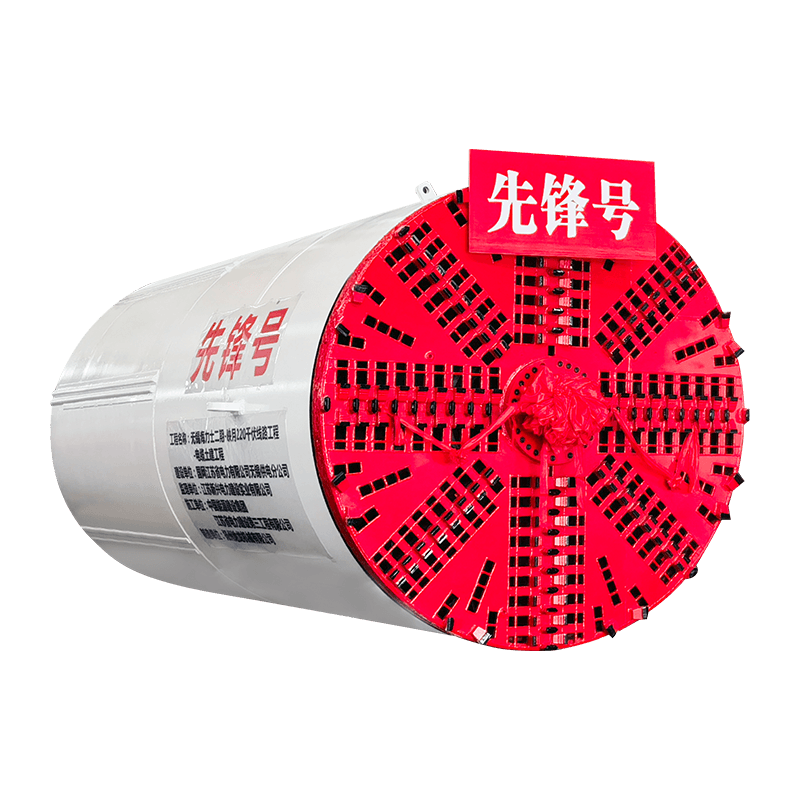
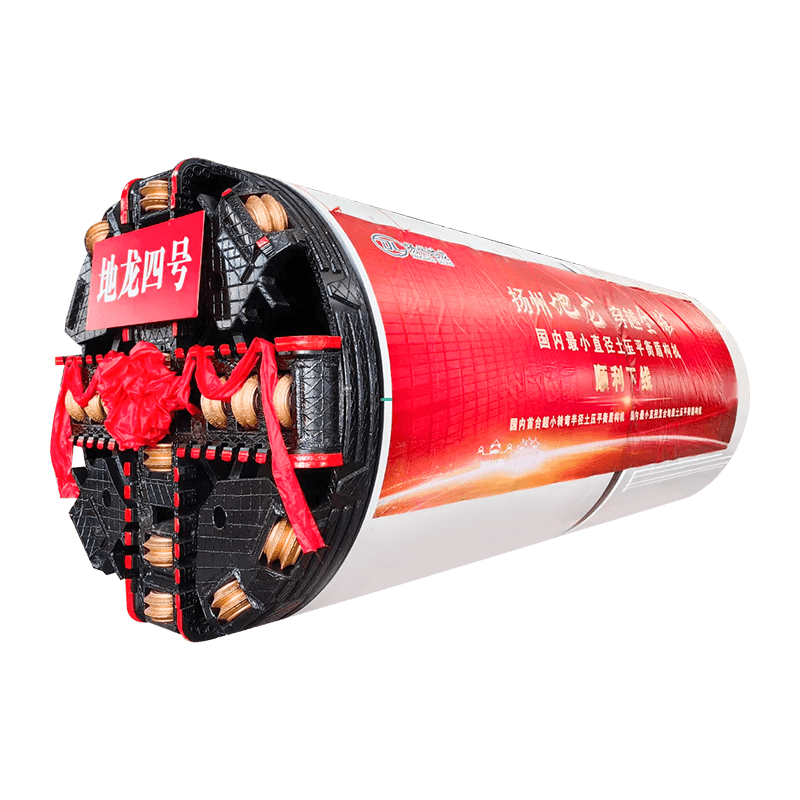
An earth pressure balance rectangular pipe jacking machine is a specialized tunneling machine designed to excavate non-circular, box-shaped tunnels while maintaining continuous pressure equilibrium between the excavation chamber and the surrounding soil. Unlike traditional circular pipe jacking machines, the rectangular design is purpose-built for projects like underground pedestrian walkways, road underpasses, and box culverts, where a rectangular cross-section makes far better use of the available space than a round tunnel would.
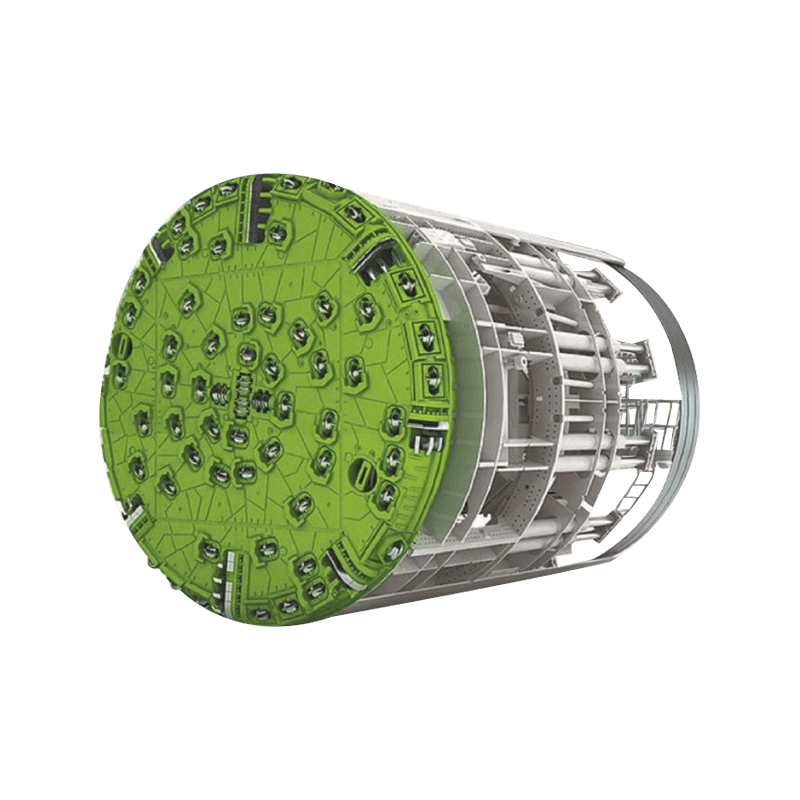
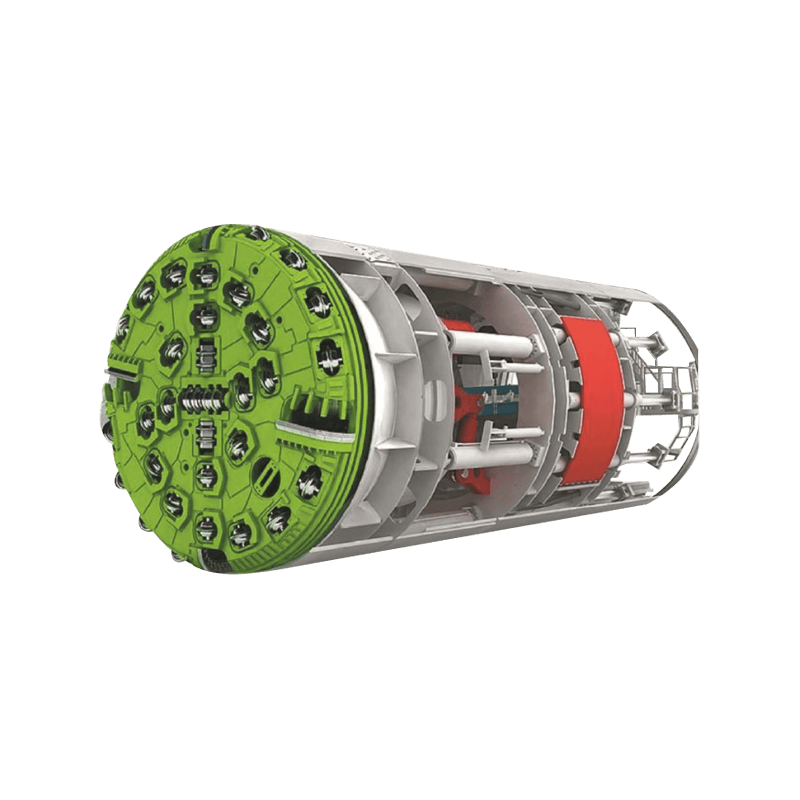
The "earth pressure balance" part of the name refers to the machine's core working principle. As the cutterhead excavates soil at the tunnel face, the excavated material is retained within a sealed chamber and controlled under pressure that matches the surrounding earth and groundwater pressure. This balance prevents the tunnel face from collapsing inward or the ground surface above from settling, which is especially critical when tunneling beneath busy roads, railways, or existing utility lines in urban environments.
Why Rectangular Pipe Jacking Machines Are Gaining Popularity
Urban construction projects increasingly favor rectangular pipe jacking machines over circular alternatives for a simple reason: usable space. A circular tunnel wastes a significant portion of its cross-sectional area at the top and bottom corners, space that's structurally necessary but functionally useless for pedestrian walkways or vehicle underpasses. A rectangular tunnel, by contrast, delivers nearly 100% usable floor-to-ceiling space, which translates directly into shallower excavation depths and reduced construction costs for the same functional clearance.
This efficiency has made earth pressure balance rectangular pipe jacking machines a preferred choice for metro station connections, cross-passage tunnels, underground parking access ramps, and pedestrian subways beneath busy intersections, particularly in dense cities where minimizing surface disruption and excavation depth is a top priority for planners and contractors alike.
Core Components of the Machine
Understanding the main components helps clarify how these machines achieve precise, stable excavation in challenging ground conditions.
Cutterhead System
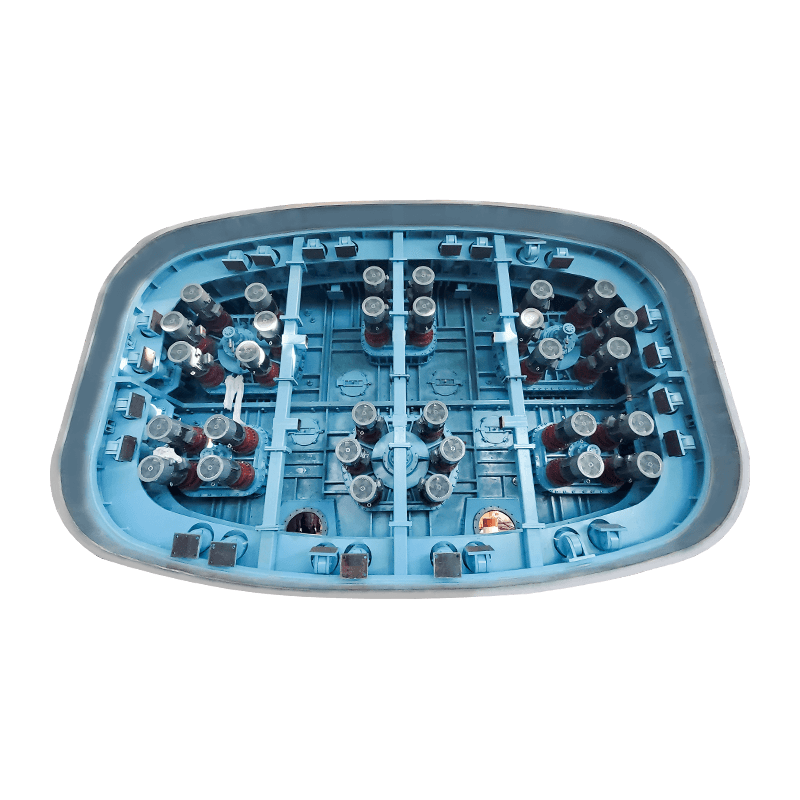
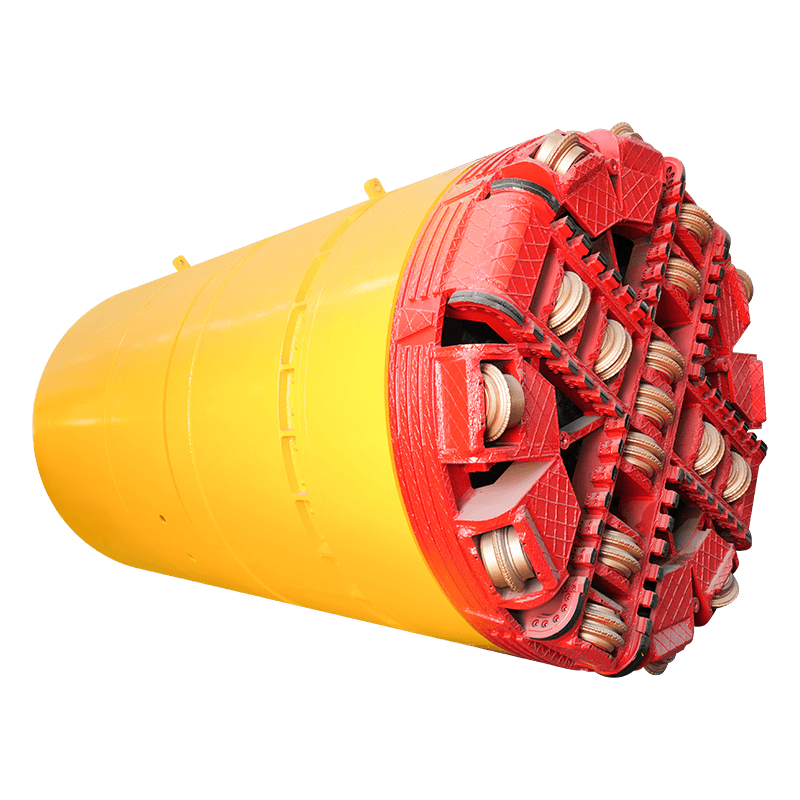
Rectangular machines typically use multiple rotating cutter discs or a combination of rotary and swing-arm cutting tools arranged to cover the full rectangular face, since a single circular cutterhead cannot efficiently cut corners. Some designs use overlapping circular cutters at the corners paired with a central cutting mechanism to ensure complete face coverage without leaving uncut soil ridges.
Earth Pressure Chamber
This sealed chamber sits directly behind the cutterhead and holds excavated soil under controlled pressure. Sensors continuously monitor pressure levels, allowing operators to adjust the screw conveyor discharge rate and jacking speed in real time to keep the face pressure balanced against the surrounding soil and water pressure.
Screw Conveyor and Muck Discharge System
Excavated soil is removed from the pressure chamber through a screw conveyor, which regulates the rate of soil discharge to help maintain chamber pressure. The muck is then transported out of the tunnel via conveyor belts, muck cars, or slurry pipelines depending on the project setup.
Jacking System and Guidance Control
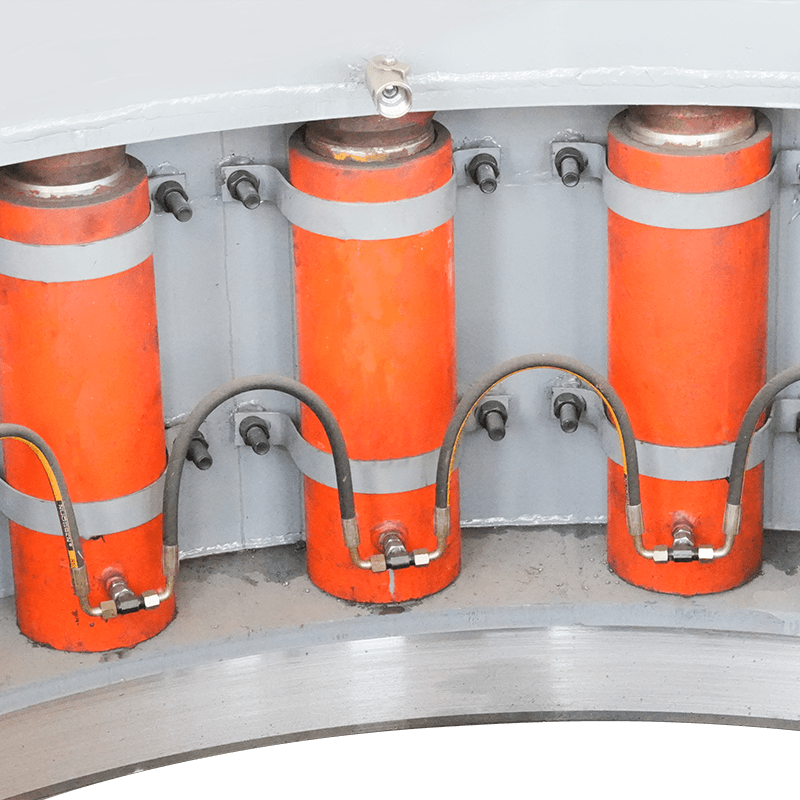
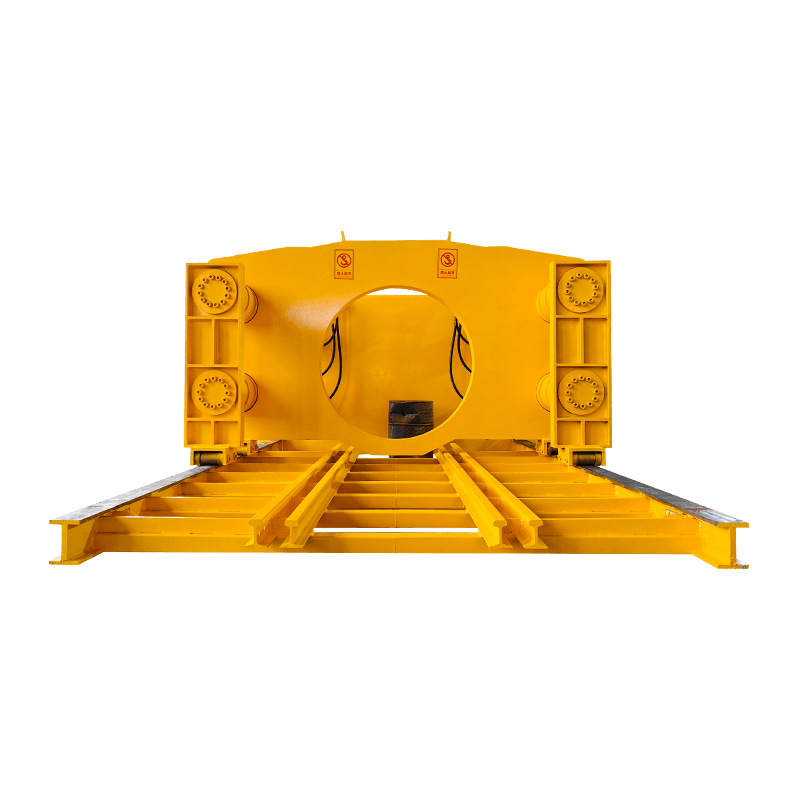
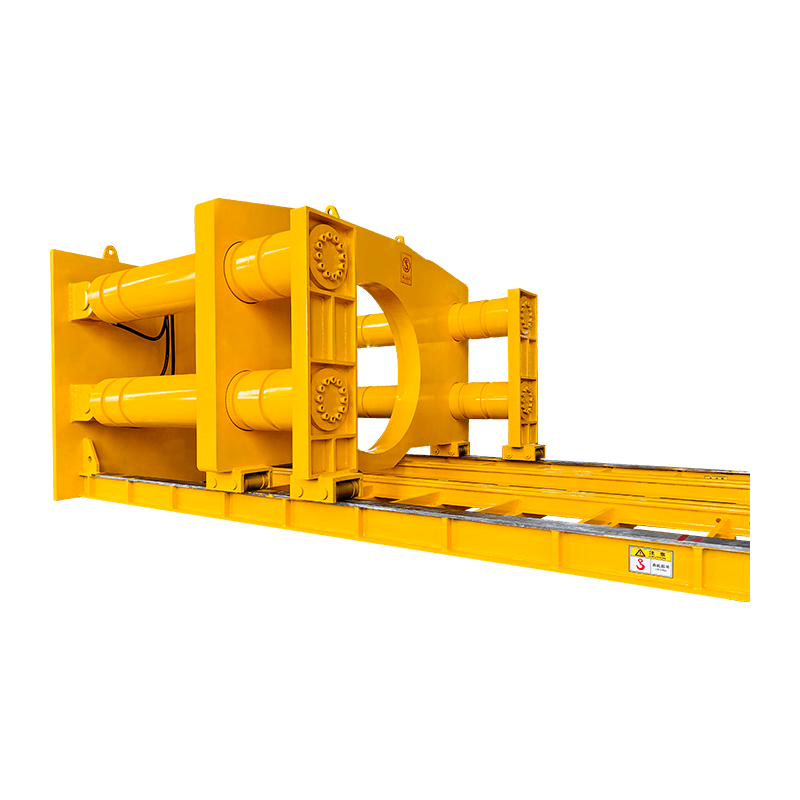
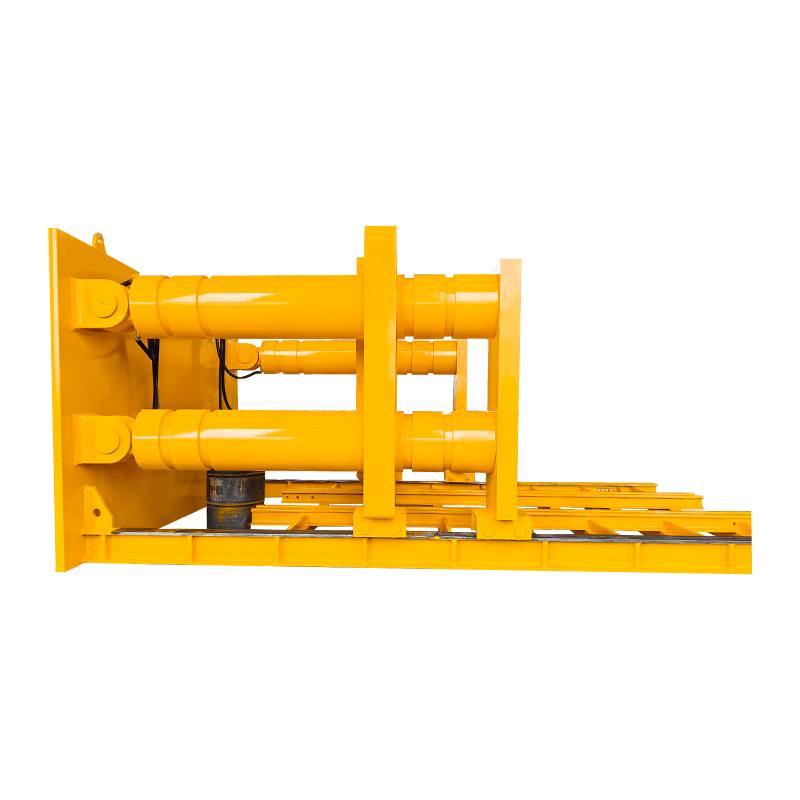
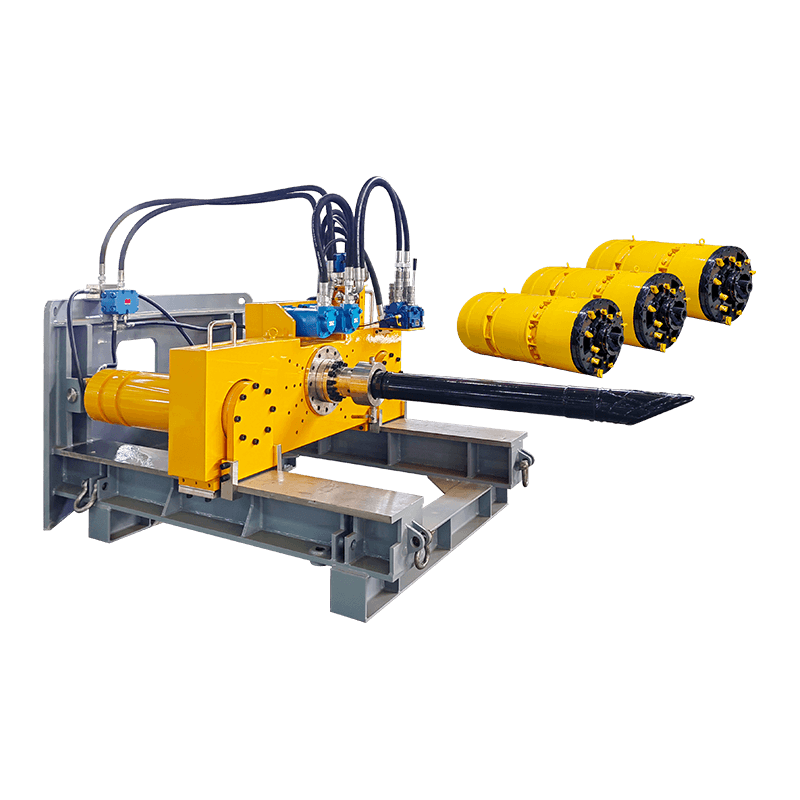
Hydraulic jacks positioned in the launch shaft push the machine and the trailing pipe sections forward through the ground. A guidance system using laser targets, inclinometers, and gyroscopes continuously tracks the machine's position and orientation, feeding data back to operators so they can make steering corrections and keep the tunnel aligned within tight tolerances.

Comparing Rectangular and Circular Pipe Jacking Machines
Choosing between a rectangular and circular pipe jacking machine depends heavily on the project's purpose and site constraints. The table below highlights the key differences.
| Factor | Rectangular Machine | Circular Machine |
| Space Utilization | Very high, minimal wasted area | Lower, corners of circle unused |
| Excavation Depth Needed | Shallower for equivalent clearance | Deeper due to circular geometry |
| Cutterhead Complexity | Higher, multiple cutters needed | Lower, single rotary cutterhead |
| Typical Applications | Pedestrian subways, underpasses | Sewer lines, water pipelines |
While rectangular machines involve more mechanical complexity, the space and depth savings often make them the more economical choice overall for pedestrian and vehicular underpass projects in constrained urban settings.
Key Considerations Before Choosing This Tunneling Method
Before committing to an earth pressure balance rectangular pipe jacking machine for a project, engineers should evaluate several site-specific factors to confirm it's the right fit.
- Soil composition and groundwater levels along the planned tunnel alignment
- Depth and proximity of existing utilities, foundations, or underground structures
- Required tunnel dimensions and whether a rectangular cross-section genuinely improves usable space
- Available launch and reception shaft space for machine assembly and pipe insertion
- Surface settlement tolerances required by nearby structures or infrastructure
A thorough geotechnical survey is essential before finalizing machine specifications, since the earth pressure balance system must be calibrated to the specific soil conditions it will encounter, loose sandy soils, soft clays, and mixed ground conditions all require different pressure control strategies to prevent face instability.
Operational Best Practices for Successful Pipe Jacking
Getting the most out of a rectangular pipe jacking machine requires disciplined operation and monitoring throughout the tunneling process.
Maintain Continuous Pressure Monitoring
Operators should track earth pressure chamber readings constantly and adjust jacking speed and screw conveyor discharge in tandem, rather than reactively, to avoid pressure fluctuations that could cause ground settlement or face instability.
Track Alignment Data at Every Stage
Because rectangular machines are more sensitive to rotational drift than circular ones, frequent alignment checks using the guidance system help catch small deviations early, before they compound into significant tunnel misalignment that's costly to correct later in the drive.
Final Thoughts on This Tunneling Technology
The earth pressure balance rectangular pipe jacking machine represents a significant advancement in trenchless construction technology, offering a practical solution for urban tunneling projects where space efficiency and minimal surface disruption are top priorities. By understanding how these machines balance earth pressure, the mechanical complexity involved in rectangular excavation, and the site conditions that make this method most effective, project planners and engineers can make more informed decisions when selecting equipment for pedestrian subways, underpasses, and box culvert installations. With proper planning and skilled operation, this technology continues to prove itself as a reliable choice for modern underground infrastructure projects.